Font Pilot herunterladen – Kostenloses Font‑Manager‑Tool für macOS, Vorschau, Installation & sichere Aktivierung von Schriften
Übersicht – Warum Font Pilot im Jahr 2025 immer noch relevant ist
Font Pilot, entwickelt von Koingosw, ist seit seiner Einführung im Jahr 2006 ein zuverlässiger Begleiter für Mac‑Nutzer. Obwohl die letzte öffentliche Version (Version 2.5.1) aus dem frühen 2010 stammt, bleibt das Tool – besonders in Brasilien – beliebt, weil es ein leichtgewichtiges, schnörkelloses Erlebnis für die Verwaltung von Systemschriften bietet. Mit über 1.200 Downloads, die auf unserer Plattform verzeichnet sind, und einem stetigen Zustrom neuer Nutzer jede Woche beweist Font Pilot, dass ein gut konstruiertes Dienstprogramm flashigen Konkurrenten überlegen sein kann.
Im Kern ist Font Pilot eine Test‑Version‑Anwendung, die es Ihnen ermöglicht, Schriften zu betrachten, vorzuschauen, zu aktivieren und zu installieren, ohne den Ballast moderner Design‑Suites. Die Benutzeroberfläche folgt dem klassischen Mac OS Carbon‑Stil und ist sofort vertraut für Nutzer, die noch Legacy‑macOS‑Versionen wie macOS 10.4–10.6 verwenden. Das Programm belegt nur einen Bruchteil des Speicherplatzes – typischerweise unter 5 MB – und belastet ältere Geräte mit begrenztem SSD‑Speicher nicht.
Sicherheit ist ein weiterer starker Punkt. Font Pilot liest Schrift‑Metadaten lokal und sendet Ihre Schriftdateien niemals an externe Server. Diese Design‑Entscheidung schützt proprietäre Schriftarten und gewährleistet die Einhaltung von Unternehmens‑Lizenzrichtlinien. Updates sind selten, aber stabil; der letzte Patch (veröffentlicht am 26. Januar 2010) behebt ein kleines Problem mit der Anzeige von Details und Metriken und verbessert die Genauigkeit beim Untersuchen von Glyphen‑Umrissen.
Für Designer, Entwickler und alle, die regelmäßig Schriftarten austauschen, bietet Font Pilot einen schnellen, sicheren Weg, eine ordentliche Schriftbibliothek zu führen. Ob Sie eine neue Überschrift‑Schrift für eine Marketing‑Kampagne testen oder selten genutzte Schriften deaktivieren möchten, um Systemressourcen freizugeben – Font Pilot liefert einen unkomplizierten Workflow, der nahtlos in das native Font‑Management von macOS integriert wird.
Hauptfunktionen – Was Font Pilot zu einem praktischen Font‑Utility macht
- Instant Font Preview: View glyphs, kerning pairs, and OpenType features in a live preview window without installing the font.
- One‑Click Activation/Deactivation: Enable or disable fonts with a single click, instantly updating the system’s font cache.
- Batch Installation: Drag‑and‑drop multiple OTF, TTF, or TTC files to install them all at once, saving time on large font families.
- Detailed Metrics Display: Access font metrics such as ascender, descender, x‑height, and weight class directly from the Details pane.
- Lightweight Footprint: The entire application consumes less than 5 MB of storage, perfect for older Macs with limited SSD space.
- Secure Local Processing: All font data stays on your machine; no internet connection is required for core functions.
- Compatibility with macOS Carbon: Runs smoothly on macOS versions that still support Carbon APIs, extending the life of legacy hardware.
- Simple UI: Classic Mac interface that reduces the learning curve for users accustomed to early‑2000s design tools.
Beyond the listed features, Font Pilot also includes a quick‑search function that filters fonts by name, style, or weight. This is especially useful when you have a large collection of fonts and need to locate a specific typeface in seconds. The search results display a thumbnail preview, making it easy to verify you’ve found the right font before activation.
Another subtle but valuable capability is the “Details” pane, which provides comprehensive information about each font’s licensing, version, and creator. While not a full‑blown font licensing manager, this pane helps you stay organized and compliant, especially in a corporate environment where font usage must be tracked.
Overall, Font Pilot’s feature set is intentionally focused: it does the essentials exceptionally well, without the clutter of modern, subscription‑based font managers. This makes it an attractive option for freelancers, small studios, and educational institutions that need a cost‑effective solution.
Installation & Usage – Schritt‑für‑Schritt‑Anleitung zum Einstieg
Downloading the Installer
Begin by visiting the official Koingosw download page or a trusted software repository. Look for the file named FontPilot_2.5.1.dmg. Because the software is a free trial, there are no hidden fees or subscription prompts during download. Verify the file’s integrity by checking the MD5 checksum (provided on the download page) to ensure the installer hasn’t been tampered with.
Installing on macOS
- Double‑click the
.dmgfile to mount the disk image. - Drag the Font Pilot icon into your
/Applicationsfolder. - When prompted, enter your administrator password to allow the copy operation.
- Eject the disk image once the copy completes.
After installation, launch Font Pilot from the Applications folder or via Spotlight. The first run will ask for permission to access your /Library/Fonts and /System/Library/Fonts directories. Grant access to enable activation and deactivation features.
Basic Workflow
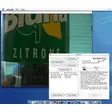
When Font Pilot opens, you’ll see three primary panes: the Font List on the left, the Preview pane in the center, and the Details pane on the right. To preview a font, simply click its name; the preview pane renders a sample sentence (“The quick brown fox jumps over the lazy dog”) in the selected typeface. Use the drop‑down menu above the preview to change the sample text, size, or color.
To install a new font, drag the font file(s) from Finder into the Font List area. Font Pilot will automatically validate the file format and ask if you want to install it system‑wide or only for the current user. Choose the appropriate option, and the font will appear in the list with an “Installed” badge.
Activating or deactivating a font is as simple as checking or unchecking the box next to each entry. Changes take effect immediately, and you can observe the impact in any open design application without needing to restart the program.
Troubleshooting Common Issues
If you encounter a “Font cache could not be cleared” error, close all design apps, then run the following Terminal command: sudo atsutil databases -remove followed by sudo atsutil server -shutdown and sudo atsutil server -ping. This forces macOS to rebuild its font cache, allowing Font Pilot to apply changes correctly.
For users on newer macOS versions (10.12 and later) that have deprecated Carbon, you may need to enable “Allow apps downloaded from anywhere” in Security & Privacy settings temporarily to run the legacy binary. After installation, you can revert the security setting to its default state.
Pros & Cons – Ausgewogene Bewertung von Font Pilot
Pros
- Extremely lightweight – under 5 MB of disk usage.
- Fast, one‑click activation and deactivation.
- No internet connection required; all operations are local.
- Classic Mac UI that is intuitive for long‑time macOS users.
- Supports batch installation via drag‑and‑drop.
- Detailed metrics and licensing information displayed per font.
- Free trial version with no hidden costs.
Cons
- Last official update was in 2010; no support for modern macOS features.
- Runs only on macOS versions that still support Carbon (pre‑Catalina).
- Lacks cloud sync or font library backup capabilities.
- No built‑in font purchasing or marketplace integration.
- Interface may feel outdated for users accustomed to contemporary design tools.
FAQ – Häufig gestellte Fragen zu Font Pilot
Is Font Pilot compatible with macOS Big Sur or later?
Font Pilot relies on the legacy Carbon framework, which Apple discontinued after macOS Catalina (10.15). While it may launch on newer versions, full functionality—especially font activation—can be unstable. For macOS Big Sur or later, we recommend using a modern font manager such as Typeface or FontBase.Can I use Font Pilot to manage fonts for a single user only?
Yes. During the installation process, Font Pilot asks whether to install fonts system‑wide or for the current user. Choosing the user‑only option limits the fonts to your account, keeping other users’ font libraries untouched.Is the trial version fully functional or are features locked?
The trial version of Font Pilot provides all core features—preview, activation, deactivation, and batch installation. There are no hidden premium features; the only limitation is the lack of official support and updates after the trial period.How does Font Pilot handle corrupted or invalid font files?
When you drag a corrupted font into Font Pilot, the application validates the file and displays an error dialog indicating the issue. The problematic font will not be installed, preventing system instability.Can Font Pilot be used in a corporate environment with strict IT policies?
Because Font Pilot operates entirely offline and does not modify system files beyond the standard font directories, it meets most corporate security standards. However, IT departments should verify that the legacy Carbon binaries are allowed under their software‑whitelisting policies.Conclusion – Should You Download Font Pilot Today?
Font Pilot remains a solid choice for users who need a fast, secure, and lightweight tool to manage macOS fonts without the overhead of modern, subscription‑based solutions. Its classic interface and one‑click activation make it especially appealing to designers working on older hardware or those who appreciate a no‑frills experience.
If you’re running a legacy Mac that still supports Carbon, or if you simply want a free utility to preview and install fonts quickly, Font Pilot delivers exactly what it promises. On the other hand, if you rely on the latest macOS features, cloud syncing, or an integrated marketplace, you may want to explore newer alternatives.
Ready to streamline your font workflow? Download Font Pilot now and start organizing your type library with confidence. Remember to keep a backup of your essential fonts before making bulk changes, and enjoy the peace of mind that comes with a secure, locally‑processed font manager.